
Hospitality and real estate students can explore AI-driven customer experiences.
Radisson Hotel Group now uses ChatGPT for personalized hotel discovery. Hospitality students can study how AI reshapes customer interactions in travel and lodging.
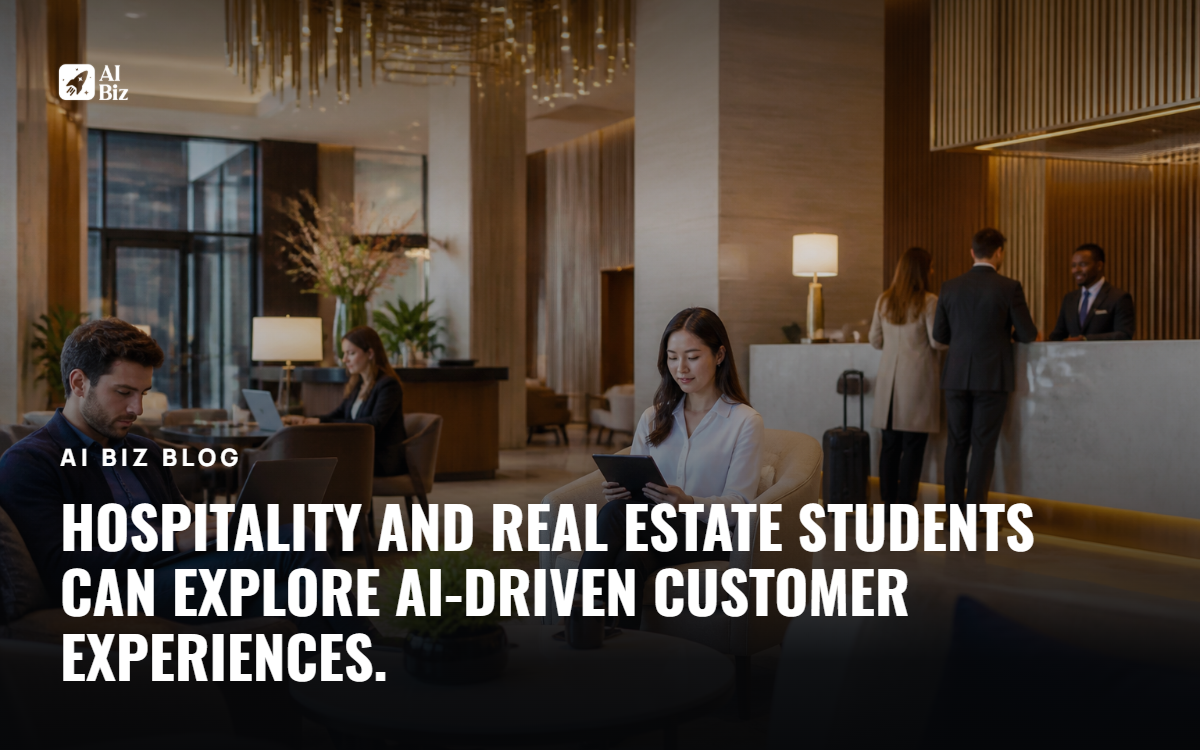
Radisson Hotel Group is taking a bold step in redefining how travelers find and book hotels by integrating its services into ChatGPT. If you’ve ever spent hours comparing hotels online, this innovation could save you time and make your trip planning more intuitive. For students interested in hospitality, real estate, or AI applications, this development is a prime example of how technology is reshaping customer experiences in the travel industry.
ChatGPT, known for its conversational AI capabilities, is now being used to simplify hotel searches. Instead of scrolling through endless webpages or filtering search results manually, travelers can ask ChatGPT questions like, “What’s the best beachfront Radisson hotel in Spain?” or “Find a Radisson hotel near downtown Chicago with a pool and free breakfast.” The AI then provides tailored recommendations based on the user’s preferences, location, and even the tone of their queries. This approach moves beyond static search engines to create a dynamic, human-like interaction that adapts to each customer.
The personalization doesn’t stop at search results. Radisson’s integration also allows for deeper customer profiling, which means the AI can learn about the preferences of frequent travelers over time. For example, if a user regularly books upscale hotels in urban areas, ChatGPT could prioritize similar options in future searches. This level of customization not only helps customers but also boosts Radisson’s ability to market its properties more effectively.
For hospitality and real estate students, understanding these AI-driven methods is critical. Hotels are no longer just physical spaces where people stay; they are becoming data-driven hubs for customer experience and engagement. AI can influence everything from room pricing to marketing strategies, making it an essential tool for future professionals in the field.
Moreover, this shift toward AI-enabled hotel discovery has implications for real estate investments. Properties that leverage cutting-edge technologies like ChatGPT may have a competitive edge, attracting more tech-savvy travelers and generating higher revenue. Investors in hospitality real estate could find opportunities in hotels that prioritize digital innovation, as these properties are likely to see increased demand.
Radisson isn’t alone in adopting AI. Across the travel and lodging industry, companies are using AI to streamline operations and elevate customer service. Automated chatbots now handle booking inquiries, while algorithms optimize room rates based on demand and seasonality. Even beyond hotels, airlines, and rental car services are using AI to recommend travel bundles and predict delays.
For students exploring careers in hospitality, these broader trends highlight the growing importance of AI literacy. Being able to understand and apply AI tools will likely become a differentiator in the job market. Whether you aim to work in hotel management, real estate development, or marketing, knowing how AI impacts customer behavior and business operations can give you an edge.
Radisson’s use of ChatGPT is a clear signal that the industry is moving toward smarter, more personalized customer interactions. As AI continues to evolve, expect to see even more innovative applications in travel and lodging. For now, this integration serves as a practical example of how technology is reshaping the way people explore and book hotels—and it’s a development worth studying.