
Proactive AI Strategies to Secure Reshored Operations
As companies reshore operations, AI-driven cyber defense tools are essential to protect sensitive systems. Learn how proactive AI can safeguard businesses and how students can prepare for careers in AI cybersecurity.
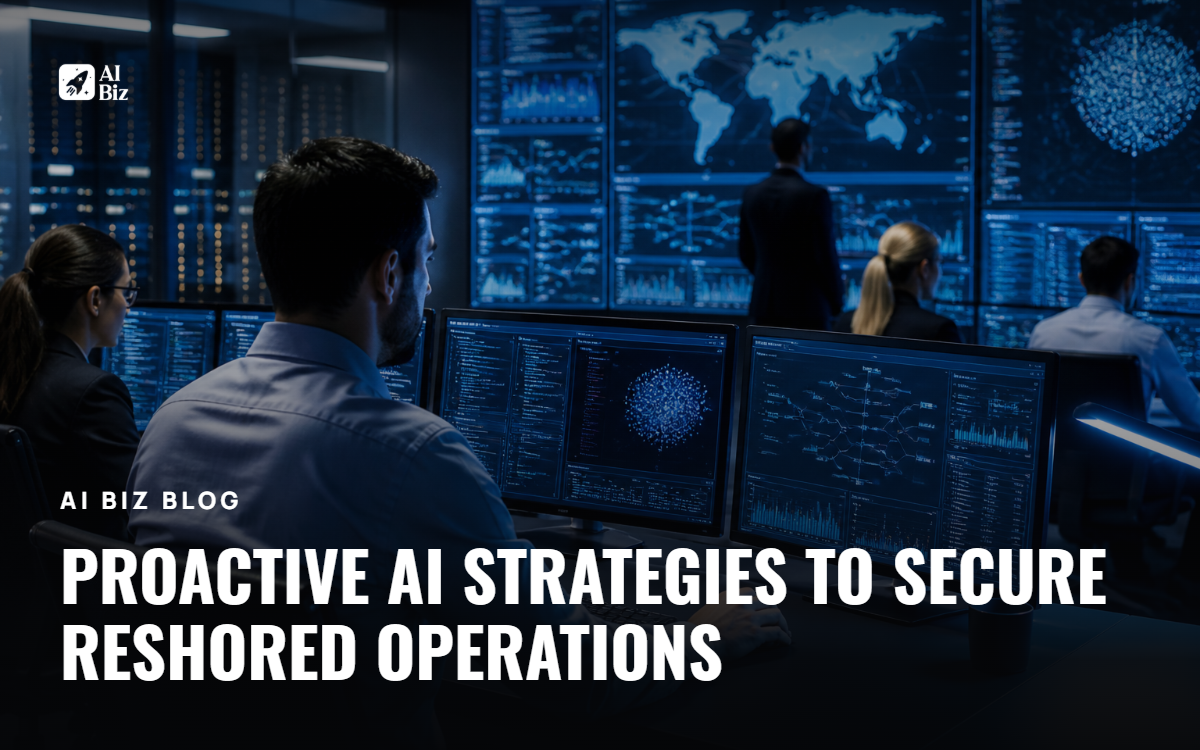
Reshoring, the process of bringing manufacturing and other operations back to domestic soil, is a growing trend. It promises economic growth, job creation, and stronger supply chain resilience. However, with this opportunity comes significant risks, especially in the realm of cybersecurity. As more companies rely on advanced technologies to power reshored operations, they also increase their exposure to cyber threats. This is where AI-powered cyber defense tools become indispensable.
Why Cyber Defense Matters in Reshoring
In the push to reshore, businesses often integrate smart factories, IoT devices, and cloud-based solutions to modernize operations. While these technologies can boost efficiency and innovation, they also create new vulnerabilities. Cybercriminals are quick to exploit gaps in security, targeting intellectual property, operational systems, and sensitive customer data.
For businesses reshoring critical operations like manufacturing or infrastructure management, the stakes are even higher. A single cybersecurity breach could disrupt production lines, compromise proprietary designs, or shut down essential services. Cyberattacks on operational technology systems—those controlling machinery or energy grids—can have real-world consequences, from production delays to public safety risks.
This is why proactive cyber defense is essential. Companies cannot afford to wait for threats to emerge. They need tools that can predict, detect, and neutralize risks before damage occurs.
AI Tools for Proactive Defense
Artificial intelligence offers game-changing capabilities for cybersecurity. Tools powered by AI can analyze vast amounts of data in real time, identifying patterns and anomalies that might indicate a threat. Unlike traditional systems, which often rely on predefined rules, AI models can adapt to new threats as they evolve.
For example, Google's Fairwind Program introduces advanced AI models like Gemini 3.8 Flash Cyber, designed to autonomously find and fix vulnerabilities. This system uses tools like CodeMender to identify weaknesses in code and deploy verified patches within minutes. Unlike manual processes that might take weeks, AI-driven solutions allow companies to act immediately, reducing the window of opportunity for attackers.
AI also helps scale cyber defense efforts. Instead of relying on a small team of human specialists to monitor every system, AI tools can provide continuous coverage across an organization's entire network. They can detect intrusions, flag suspicious behavior, and even simulate potential attack scenarios to prepare defenses.
Real-World Examples of AI-Enhanced Security
Programs like Google’s Fairwind highlight the potential of AI in reshoring efforts. By offering early access to advanced cyber defense capabilities, Fairwind is helping governments and critical infrastructure operators secure their systems.
For instance, public-sector agencies leveraging these tools can protect citizen services from targeted attacks. Critical infrastructure operators, such as those in energy or telecommunications, can use AI to safeguard essential systems against disruptions. These proactive measures are critical as cyberattacks on infrastructure have become increasingly sophisticated and damaging.
In a business context, companies adopting AI-driven tools gain a competitive edge. They can demonstrate to clients and regulators that they meet the highest cybersecurity standards, which is especially important in sectors like healthcare, finance, and defense.
How Students Can Prepare for Careers in AI Cybersecurity
For students interested in AI and cybersecurity, this is an exciting time. The demand for professionals with expertise in these fields is skyrocketing as organizations prioritize digital security. Here’s how you can start building the skills needed to thrive in this space:
1. **Learn the Basics of Cybersecurity**: Start with foundational knowledge about how cyberattacks work, common vulnerabilities, and basic defense strategies. Online platforms like Coursera or Cybrary offer beginner-friendly courses.
2. **Dive into AI and Machine Learning**: Understanding how AI models work is crucial. Platforms like Google’s TensorFlow or PyTorch provide free resources to get started with AI development.
3. **Get Hands-On Experience**: Participate in hackathons, cybersecurity competitions, or open-source projects. Many organizations, including student clubs like the AI Biz Club at UT Dallas, offer opportunities to practice real-world problem-solving.
4. **Pursue Certifications**: Consider earning certifications like CompTIA Security+, Certified Ethical Hacker (CEH), or even AI-specific credentials such as TensorFlow Developer Certification.
5. **Stay Updated**: Cybersecurity and AI are fast-moving fields. Follow industry blogs, attend webinars, and network with professionals to stay ahead of trends.
The Bottom Line
Reshoring represents a golden opportunity for businesses and the economy, but it also comes with heightened cybersecurity risks. Proactive AI tools are not just a luxury; they are a necessity for protecting sensitive systems and ensuring operational continuity.
For students, the growing demand for AI-driven cybersecurity expertise presents a unique chance to build impactful careers. By developing the right skills and staying informed about the latest technologies, you can position yourself at the forefront of this critical field.
The time to act is now. Whether you’re a business leader reshoring operations or a student exploring career options, investing in AI-powered cybersecurity will pay dividends in securing the future.